Drug Delivery by Metabolic Glycan Engineering
April 8, 2026
Introduction to Groundbreaking Research
In the rapidly evolving field of targeted drug delivery, a revolutionary approach is capturing the attention of researchers worldwide: metabolic glycan labelling combined with bio-orthogonal chemistry. The article "Metabolic glycan labelling with bio-orthogonal targeting and its potential in drug delivery" by Yuen Yi Lam and colleagues, published in the prestigious Journal of Controlled Release, provides an exhaustive examination of this cutting-edge technology that promises to transform how we approach precision medicine. This 18-page deep dive explores the fundamental principles, current applications, and future potential of a methodology that could enhance therapeutic efficacy while minimizing side effects, a perpetual challenge in pharmaceutical development.
For researchers seeking to implement these advanced techniques, companies like CD BioGlyco offer specialized GlycoCLICK solutions that provide the technological infrastructure and expertise needed to navigate the complexities of metabolic glycan labelling. Their advanced platforms and experienced professionals support the very research highlighted in this landmark review.
Understanding Metabolic Glycan Labelling: The Fundamentals
Metabolic glycan labelling represents a paradigm shift from traditional targeting strategies that rely on naturally occurring receptors. Instead, this innovative approach engineers cell surfaces with unique chemical handles that don't exist naturally in the body, enabling unprecedented specificity in drug targeting. The technique exploits the natural glycan biosynthesis pathways, where cells incorporate modified sugar analogues into their surface glycoproteins, presenting "clickable" functional groups for subsequent targeting.
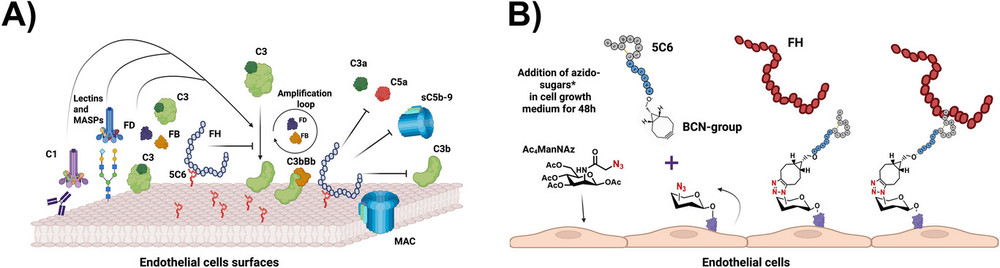
 Fig.1 Workflow for metabolic glycan labeling with unnatural monosaccharides. (Li, et al., 2025)
The process begins with the introduction of unnatural monosaccharide analogues that cells metabolize through their natural glycosylation pathways. These modified sugars contain bio-orthogonal functional groups, chemical handles that can undergo specific reactions with complementary groups without interfering with native biological processes. Once incorporated into cell surface glycans, these tags serve as docking stations for targeted therapeutics, imaging agents, or diagnostic tools.
Key Components of Metabolic Glycan Labelling Systems
- Sugar Analogues: The Building Blocks of Precision Targeting
The selection of appropriate sugar analogues is important for successful metabolic labelling. The review examines the most commonly used analogues:
- N-acetylmannosamine (ManNAc) derivatives: The most widely used sugar analogue, particularly in the form of peracetylated Ac4ManNAz, which incorporates azide groups for subsequent click chemistry reactions.
- Fucose analogues: 6-modified fucose derivatives that follow distinct metabolic pathways.
- N-acetylgalactosamine (GalNAc) and N-acetylglucosamine (GlcNAc) analogues: Offering alternative labelling strategies for specific applications.
- Sialic acid analogues: Providing direct incorporation pathways that bypass early metabolic steps.
The peracetylated forms of these sugars demonstrate enhanced cellular uptake due to increased lipophilicity, facilitating passive diffusion across cell membranes. Each analogue follows specific metabolic pathways, with ManNAc emerging as the most extensively studied due to its well-characterized biosynthetic machinery in sialic acid production.
- Chemical Tags and Click Chemistry Pairs
The heart of bio-orthogonal targeting lies in the selection of complementary chemical tags that enable specific covalent bonding. The review details several prominent click chemistry pairs:
- Strain-promoted azide-alkyne cycloaddition (SPAAC): Particularly between azide-modified glycans and dibenzocyclooctyne (DBCO) groups, celebrated for its rapid reaction kinetics and biocompatibility.
- Copper-catalyzed azide-alkyne cycloaddition (CuAAC): An efficient pairing limited by potential copper toxicity in biological systems.
- Inverse-electron-demand Diels-Alder (iEDDA) reactions: Between cyclopropenes or norbornenes and tetrazines, offering fast reaction times.
- Staudinger ligation: An early bio-orthogonal approach between azides and phosphines.
The azide-DBCO pairing has emerged as the most popular choice due to its favorable reaction kinetics and minimal toxicity concerns, making it particularly suitable for in vivo applications. Companies specializing in glycan engineering, such as CD BioGlyco, have developed robust GlycoCLICK platforms that optimize these reactions for research and therapeutic applications.
 Fig.2 Strategies for spatiotemporal tracking of glycans using metabolic labeling. (Li, et al., 2025)
Therapeutic Applications: From Concept to Clinical Potential
- Cancer Therapies: Enhancing Specificity and Efficacy
The most extensively explored application of metabolic glycan labelling lies in oncology, where targeted therapies can improve treatment outcomes while reducing off-target effects. The review highlights numerous in vitro and in vivo studies demonstrating successful cancer cell targeting:
- Enhanced nanoparticle uptake: DBCO-functionalized gelatin oleic nanoparticles showed twice the uptake in azide-modified A549 and MCF-7 cells compared to non-targeted controls.
- Tumor-specific drug delivery: In breast cancer models, azide-labelled tissues demonstrated improved targeting of DBCO-modified therapeutic nanocomposites.
- Combination therapies: Photothermal and photoacoustic components targeted via click chemistry achieved complete tumor eradication in some animal models.
The technology addresses a fundamental limitation of traditional active targeting: the reliance on naturally occurring receptors that may not be exclusively expressed in target tissues. By engineering artificial targets specifically on cancer cells, metabolic glycan labelling offers unprecedented specificity.
- Beyond Cancer: Expanding Therapeutic Horizons
While cancer therapies dominate the current research landscape, the review identifies promising applications in other areas:
- Anti-inflammatory treatments: Inflamed tissues exhibit increased permeability and glycan production, making them susceptible to metabolic labelling approaches. Surface-edited extracellular vesicles showed specific accumulation in inflamed joints in animal models.
- Cell-based therapies: Metabolic labelling enables the engineering of therapeutic cells, such as T-cells or dendritic cells, with enhanced targeting capabilities for adoptive cell therapies.
- Ocular drug delivery: The cornea surface could be labelled to improve retention of therapeutic agents, addressing a significant challenge in ophthalmology.
Technical Considerations and Optimization Strategies
- Cell Line Variability and Labelling Efficiency
The review emphasizes that labelling efficiency is highly cell-type dependent, influenced by factors including:
- Glycosylation rates and pathways specific to each cell line
- Metabolic activity and cell cycle stage
- Expression of specific enzymes in the glycosylation machinery
Substantial variability exists even within the same cell line under similar conditions, highlighting the need for careful optimization. The article notes that while cancer cells often show enhanced glycan metabolism, making them particularly suitable for metabolic labelling, the technique is applicable to virtually all cell types.
Critical Parameters for Reproducible Results
Several factors impact labelling outcomes:
- Sugar concentration and incubation time: Typical concentrations range from 10-500 μM with incubation times of 12-72 hours, though optimal parameters vary by cell type.
- Cell density and sugar-to-cell ratio: Often overlooked but critical for reproducibility across studies.
- Culture conditions: Serum supplements and other media components can compete with unnatural sugars, potentially reducing labelling efficiency.
 Fig.3 Temporal analysis of factors influencing targeting efficiency in metabolic glycan engineering. (Li, et al., 2025)
The review identifies a significant challenge in the field: the lack of standardized protocols and reporting standards. This variability complicates comparison between studies and hinders clinical translation. CD BioGlyco addresses this challenge through its standardized GlycoCLICK platforms, offering researchers consistent and reproducible methodologies for metabolic glycan labelling experiments.
Advanced Applications and Novel Directions
- Labelling Beyond Cell Surfaces
The technology's applications extend well beyond surface labelling:
- Lysosome labelling: Unnatural sugars eventually traffic to lysosomes, enabling organelle-specific targeting for studying cellular processes or lysosome-related disorders.
- Extracellular vesicle engineering: EVs secreted by labelled cells carry the chemical tags, creating targeted delivery vehicles with natural homing capabilities.
- Dual labelling strategies: Using different sugar analogues or timing protocols to label multiple cellular compartments simultaneously.
 Fig.4 Principle of lysosome-specific targeting using acidotropic probes. (Li, et al., 2025)
- Turnover Rates and Temporal Considerations
A critical insight from the review concerns the dynamic nature of metabolic labelling. Glycans undergo continuous turnover, with surface labels eventually internalized and degraded. This temporal dimension offers both challenges and opportunities:
- Optimizing timing: The window for effective surface targeting may be limited, requiring precise timing between sugar administration and probe delivery.
- Pulsed labelling strategies: Sequential administration of different tags enables tracking of glycan trafficking over time.
- Therapeutic implications: Understanding turnover dynamics is essential for designing effective treatment schedules.
Challenges and Future Perspectives
- Overcoming Translational Hurdles
Despite promising results, several challenges remain before widespread clinical application:
- Delivery methods: Most in vivo studies require direct tumor injection of unnatural sugars, limiting clinical applicability. Systemic delivery strategies need development.
- Specificity concerns: While cancer cells may incorporate more unnatural sugars due to enhanced metabolism, achieving absolute specificity remains challenging.
- Immunological considerations: The potential immunogenicity of unnatural sugars and click chemistry components requires thorough investigation.
- Innovative Solutions and Emerging Trends
The review highlights several promising approaches to address these challenges:
- Prodrug strategies: Compounds like DCL-AAM that release active sugars specifically in tumor environments through enzyme-activated cleavage.
- Advanced sugar analogues: New derivatives with improved pharmacokinetics and selectivity.
- Combination with other targeting modalities: Integrating metabolic labelling with passive targeting or other active strategies for enhanced specificity.
 Fig.5 Enhanced arthritic joint targeting of PHA-conjugated extracellular vesicles (EVs) in a CIA mouse model. (Li, et al., 2025)
The Role of Specialized Platforms in Advancing the Field
The complexity of metabolic glycan labelling necessitates specialized expertise and infrastructure. Companies like CD BioGlyco have positioned themselves at the forefront of this technology through their GlycoCLICK platform, which offers:
Our specialist team and cutting-edge technological platforms provide the support necessary to navigate the challenges outlined in the review, particularly the variability in experimental conditions and the need for standardized protocols.
Conclusion: Toward a New Era in Targeted Therapeutics
The study by Lam et al. underscores the tremendous potential of metabolic glycan labelling combined with bio-orthogonal chemistry to revolutionize targeted drug delivery. While challenges remain in standardization, specificity, and clinical translation, the technology offers a versatile platform for precision targeting across multiple therapeutic areas.
As the field continues to evolve, partnerships between academic researchers and specialized service providers like CD BioGlyco will be important in addressing technical hurdles and accelerating clinical implementation. The GlycoCLICK platform represents exactly the type of specialized expertise needed to advance these promising technologies from laboratory concepts to real-world therapeutics.
For researchers interested in implementing these cutting-edge techniques, CD BioGlyco offers the specialized support and advanced technological infrastructure necessary to navigate the complexities of metabolic glycan labelling. Visit our GlycoCLICK platform to learn how our services can accelerate your research in targeted drug delivery.
Reference
- Li, Y.; et al. Reconstituting the immune killing functions and improving the pharmacokinetics of nanobodies by rhamnolipid conjugation. Journal of Controlled Release. 2025, 378: 18-26.